
RizzitGO Finds
Spreadsheet
OVER 5000+
WITH QC PHOTOS
Click the images below to browse!
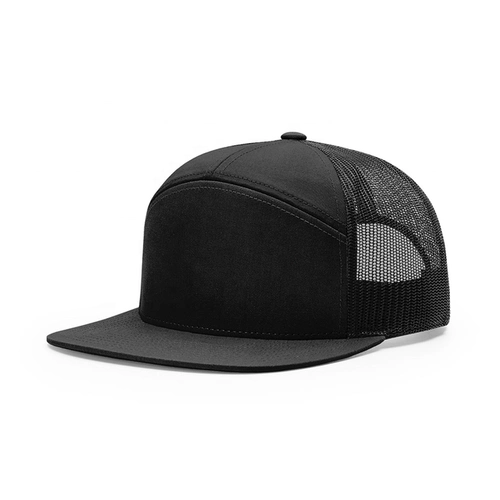
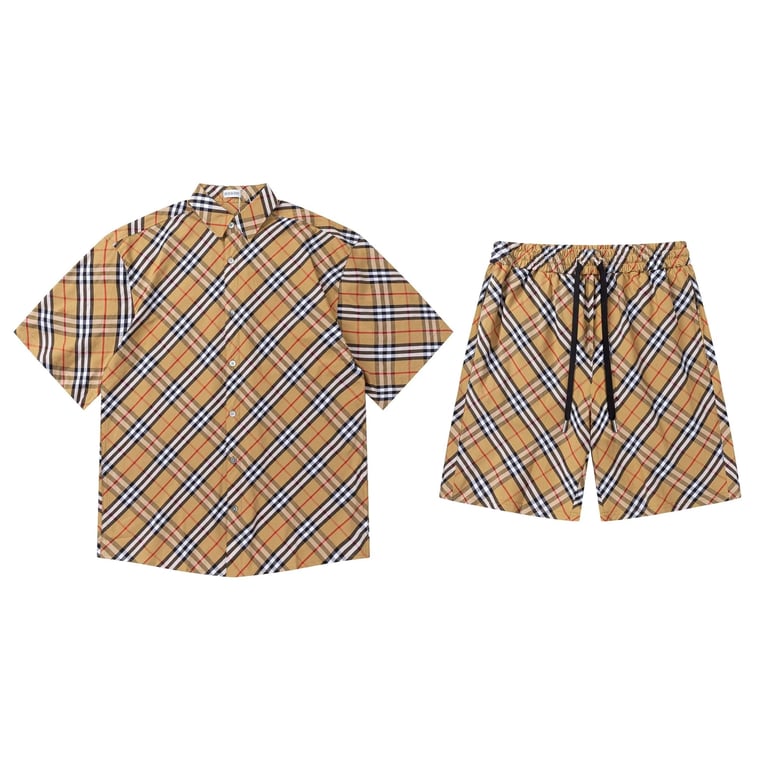
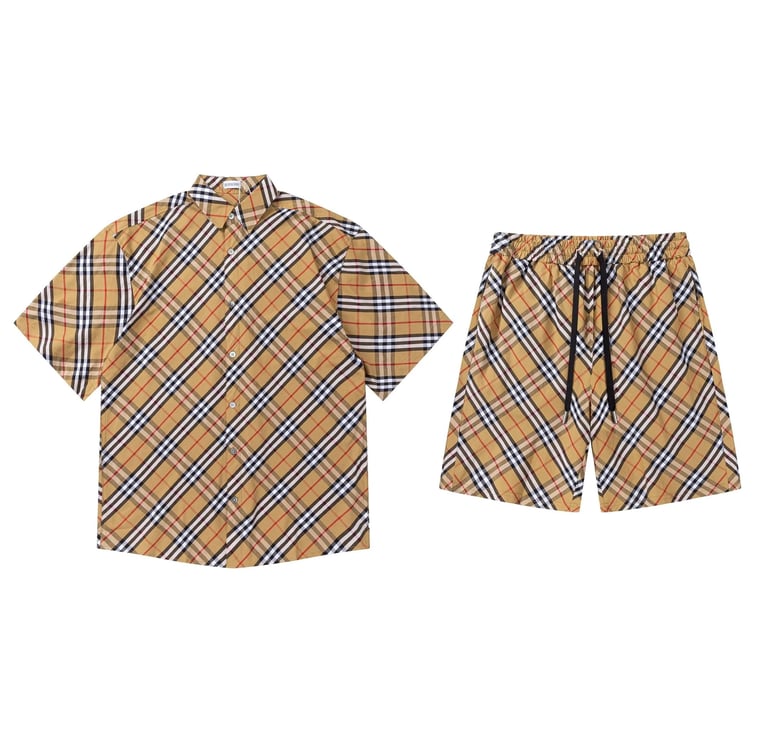
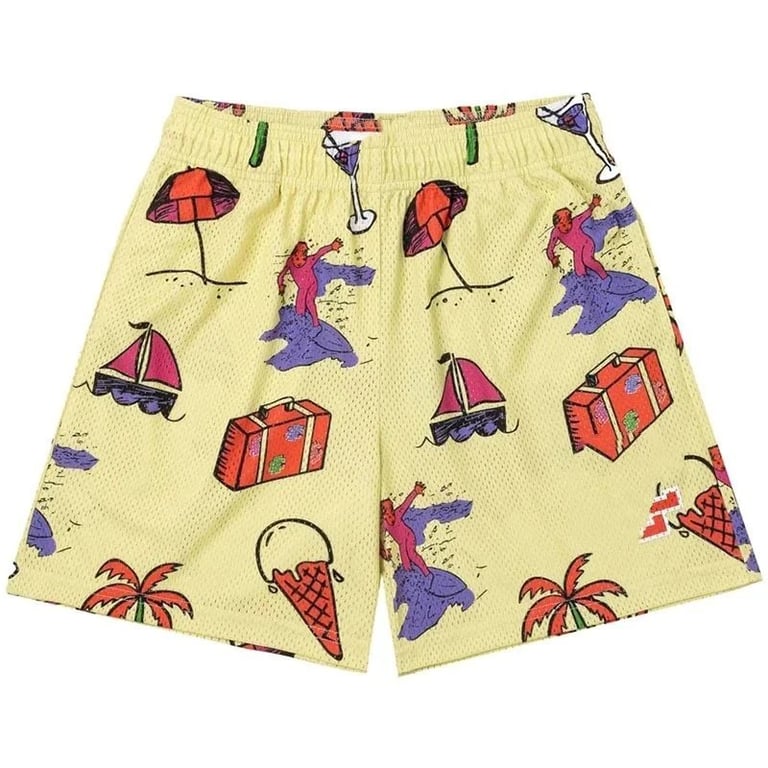
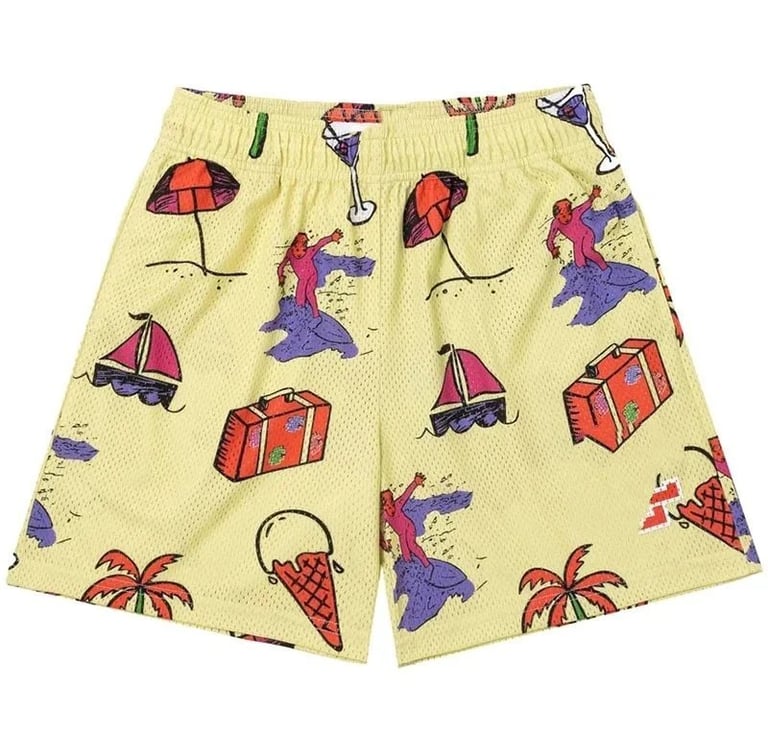
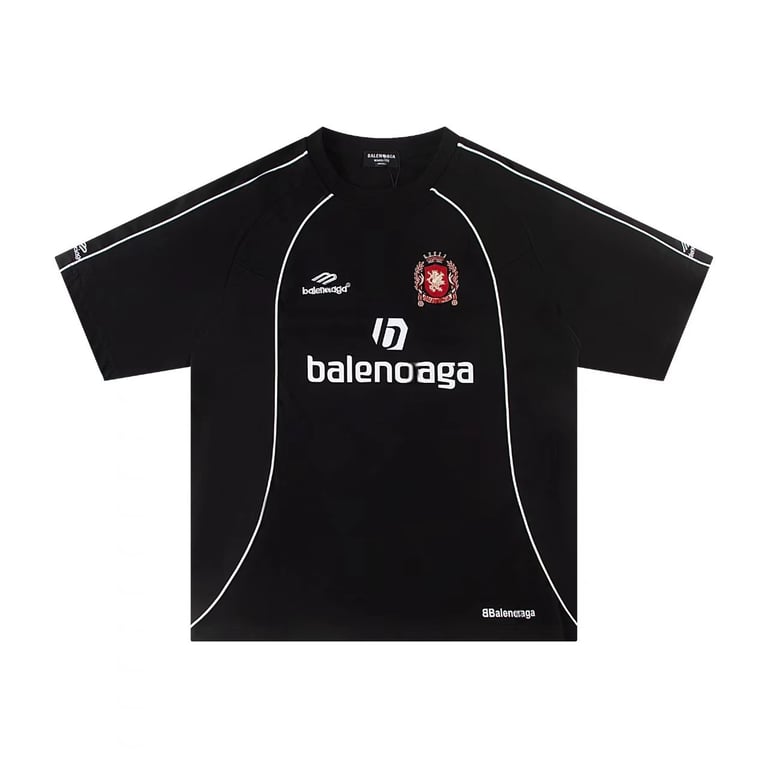
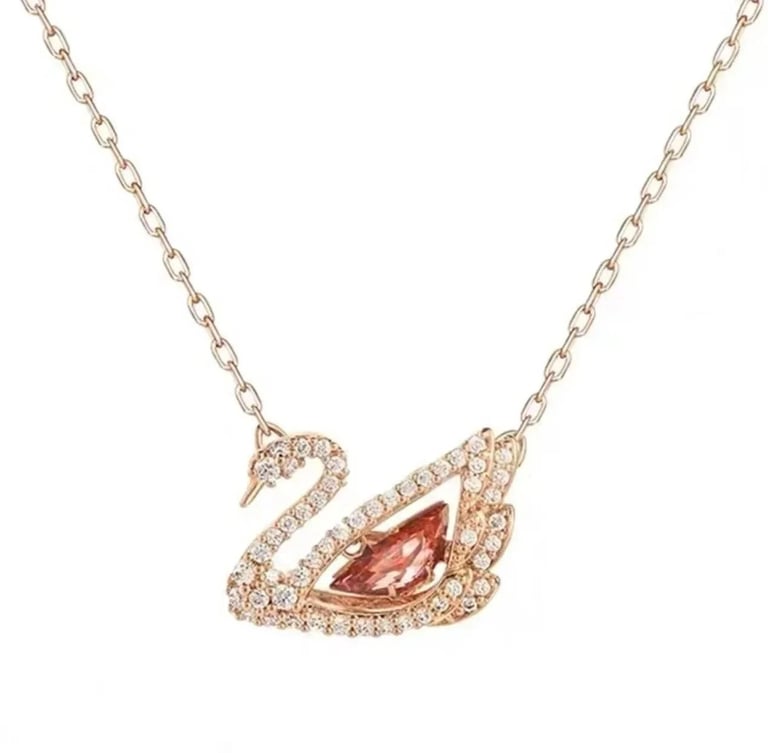
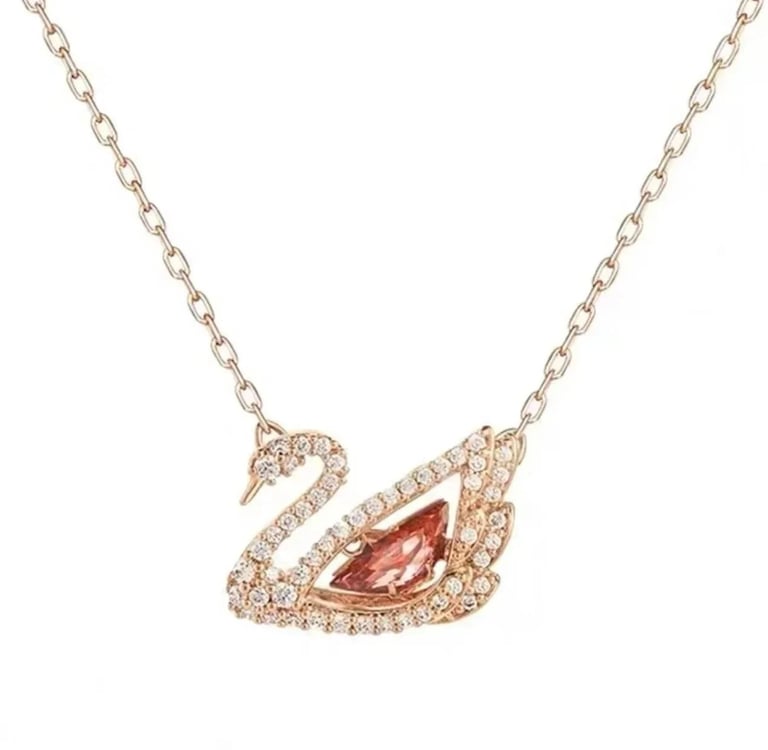
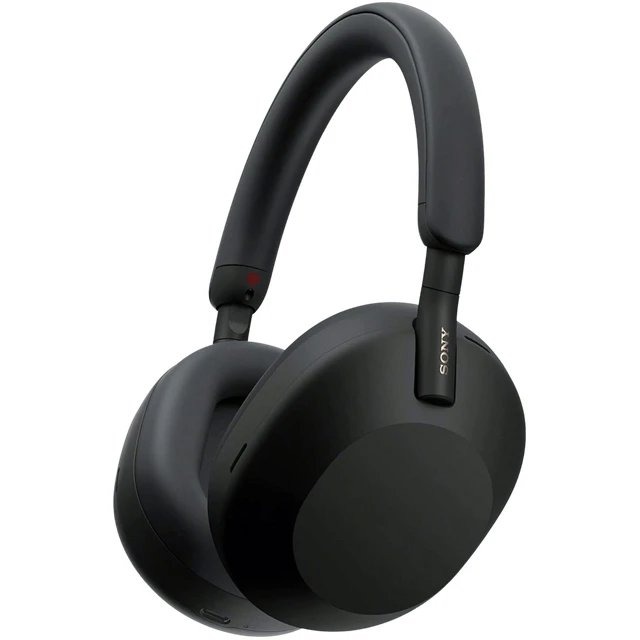
How Rizzitgo spreadsheet builds curated style-based shopping collections
In most cross-border shopping environments, users do not struggle because of lack of products, but because of excess fragmentation. Items that belong to the same aesthetic direction are often scattered across unrelated suppliers, inconsistent categories, and mismatched listings. The Rizzitgo spreadsheet addresses this by reorganizing product discovery around style coherence rather than isolated items.
Instead of treating shopping as product-by-product selection, the system builds collections based on visual and structural similarity patterns that emerge across global sourcing channels.
Style formation begins with visual clustering, not categories
Traditional ecommerce platforms rely on fixed categories such as “tops,” “pants,” or “accessories.” The Rizzitgo spreadsheet ignores this rigid structure in favor of visual clustering.
Products are grouped when they share:
Similar silhouette structures
Consistent design language across suppliers
Repeated aesthetic elements found in multiple listings
Cross-store visual alignment detected in Rizzitgo spreadsheet data flows
This allows style identity to emerge naturally instead of being forced into predefined categories.
Cross-supplier similarity is used as the foundation of curation
A key mechanism inside the Rizzitgo spreadsheet is cross-supplier pattern recognition. Items are not curated based on a single store or brand, but on how similar products appear across multiple independent sources.
When the system detects:
Repeated design structures across micro-stores
Parallel product variations in different supplier environments
Consistent aesthetic signals emerging globally
These items are automatically grouped into a curated style set within the Rizzitgo spreadsheet.
Style-based collections are built through progression logic
Rather than presenting static collections, the Rizzitgo spreadsheet organizes styles as evolving sequences.
Each curated collection may include:
Core items that define the style direction
Supporting variations that extend the aesthetic
Experimental designs that indicate early evolution
This progression-based structure allows users to understand not just what belongs to a style, but how that style is developing inside the Rizzitgo spreadsheet system.
Fragmented listings are reconstructed into unified style sets
One of the biggest challenges in global sourcing is fragmentation—identical or similar products appear under different names, prices, and suppliers.
The Rizzitgo spreadsheet reconstructs these fragments by:
Merging similar listings across multiple sources
Aligning products that share underlying design structures
Removing duplication noise from scattered supplier data
Rebuilding coherent style groups inside Rizzitgo spreadsheet collections
This transforms disorganized listings into readable style narratives.
Style curation is driven by consistency rather than popularity
Unlike traditional platforms that prioritize best-selling items, the Rizzitgo spreadsheet focuses on consistency of design language.
A product enters a curated collection when it:
Reappears across multiple supplier environments
Maintains stable visual identity across variations
Fits into an emerging aesthetic cluster detected in Rizzitgo spreadsheet analysis
Shows structural alignment with other items in the same style group
This ensures curated collections reflect coherent style systems rather than isolated trends.
Collections evolve as new signals appear in Rizzitgo spreadsheet data
Curated style hubs are not static. The Rizzitgo spreadsheet continuously updates collections as new supplier signals emerge.
When new items appear:
Existing collections expand with additional variations
New sub-styles are created within broader aesthetic groups
Outdated items are gradually deprioritized based on structural changes
Style boundaries shift according to updated Rizzitgo spreadsheet patterns
This makes curation a dynamic process rather than a fixed catalog.
Connection between Rizzitgo spreadsheet and Rizzitgo links
While the Rizzitgo spreadsheet organizes and defines curated style structures, Rizzitgo links provide direct access to underlying supplier sources.
Through this connection:
Users can open original listings behind each curated item
Compare multiple suppliers within the same style group
Validate consistency of aesthetic direction across sources
Move directly from style discovery to sourcing execution
This ensures that curated collections are not abstract groupings, but actionable shopping pathways.
Conclusion
The Rizzitgo spreadsheet builds curated style-based shopping collections by replacing rigid category structures with visual clustering, cross-supplier similarity analysis, and progression-based style grouping. Instead of presenting isolated products, it reconstructs coherent aesthetic systems from fragmented global listings.
Through continuous updates and integration with Rizzitgo links, these curated collections remain dynamic, allowing users to explore evolving style directions while maintaining direct access to real sourcing environments.


How Rizzitgo links improve style browsing experience for users
In cross-border shopping environments, style browsing is often slower than product availability suggests. Users can see multiple items that belong to the same aesthetic direction, but they are forced to jump between suppliers, reload categories, and repeatedly reconstruct context. The Rizzitgo links system is designed to remove this friction by turning fragmented browsing paths into continuous style-based navigation flows.
Instead of browsing item by item, users move through connected style routes that preserve visual and structural consistency across different sources.
Browsing stops being category-based and becomes style-based
Traditional ecommerce browsing is built around rigid categories such as “tops,” “dresses,” or “accessories.” This structure breaks stylistic continuity because visually similar items may be scattered across unrelated sections.
The Rizzitgo links system changes this by linking products through style relationships rather than category labels. Users can move between items that share:
Similar aesthetic direction
Consistent design language across suppliers
Repeated visual patterns identified in Rizzitgo spreadsheet clusters
This creates a browsing experience centered on style continuity instead of category switching.
Reducing navigation resets during cross-supplier browsing
One of the biggest issues in global sourcing is navigation reset. Every time users move to a new supplier, they lose context and must re-evaluate what they were looking at.
The Rizzitgo links system eliminates this by maintaining continuous navigation paths:
Users move between related products without restarting searches
Style context is preserved across different supplier pages
Linked listings remain part of the same browsing sequence
Instead of fragmented jumps, browsing becomes a structured flow across suppliers.
Style chains replace isolated product exploration
In conventional systems, each product is treated as an independent item. In the Rizzitgo links system, products are organized into “style chains.”
A style chain may include:
Core reference items defining the aesthetic
Closely related variations from different suppliers
Extended interpretations of the same design direction
Users can move through these chains using Rizzitgo links, exploring how a single style evolves across multiple sourcing environments.
Faster comparison across visually similar items
Comparing similar products usually requires opening multiple tabs and manually aligning details such as price, material, and structure. This slows down decision-making and breaks browsing flow.
With Rizzitgo links, comparison becomes embedded in navigation:
Related items are pre-connected through shared style routes
Users can switch between suppliers instantly
Visual and structural similarities are already grouped in Rizzitgo spreadsheet data
This reduces comparison from a manual process into a natural browsing step.
Maintaining aesthetic continuity across supplier environments
Different suppliers often present the same style in different formats, which disrupts browsing consistency. The Rizzitgo links system normalizes this by maintaining aesthetic continuity across environments.
Even when switching between stores:
Style direction remains consistent
Related items are grouped into unified browsing paths
Users stay within the same visual narrative instead of restarting context
This makes cross-border browsing feel like a single coherent experience rather than disconnected sessions.
From discovery paths in Rizzitgo spreadsheet to browsing execution
The Rizzitgo spreadsheet defines and structures style relationships, but browsing execution happens through Rizzitgo links.
Together, they create a two-layer system:
The spreadsheet identifies style clusters and relationships
The links transform those clusters into navigable browsing routes
This ensures that style discovery is not only analytical but also directly usable in real browsing behavior.
Conclusion
The Rizzitgo links system improves style browsing experience by replacing category-based navigation with style-based pathways, maintaining continuity across suppliers, and reducing context loss during cross-border exploration. Instead of forcing users to restart their search at every step, it creates continuous browsing flows built around aesthetic relationships.
When combined with Rizzitgo spreadsheet, the system transforms fragmented product exploration into a structured, style-driven navigation experience that is faster, more coherent, and easier to follow.