
About RizzitGO Spreadsheet
Click the images below to browse!
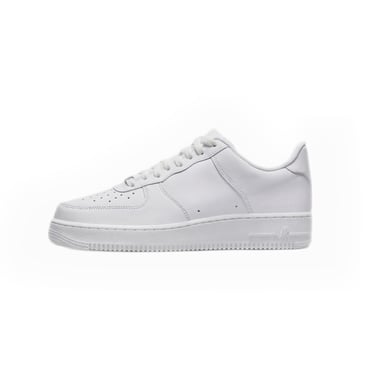
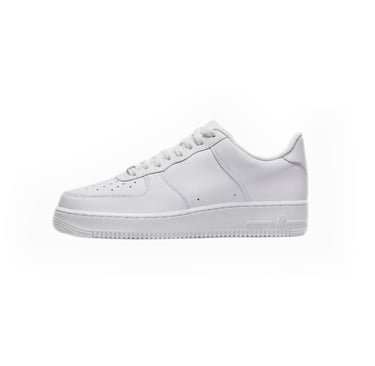

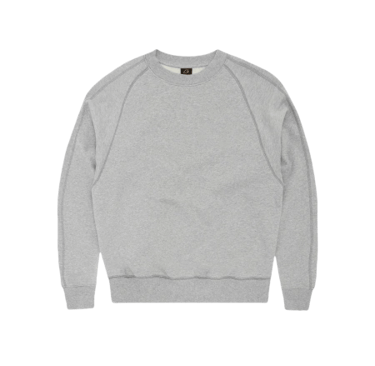
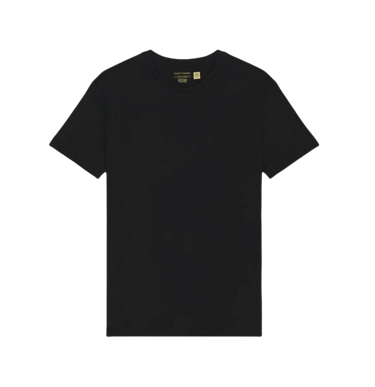
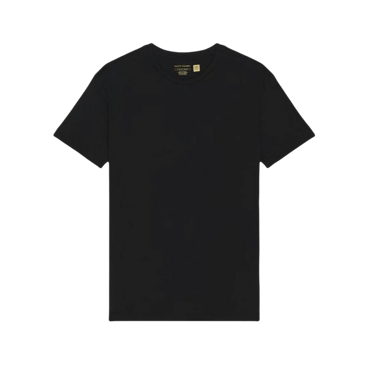
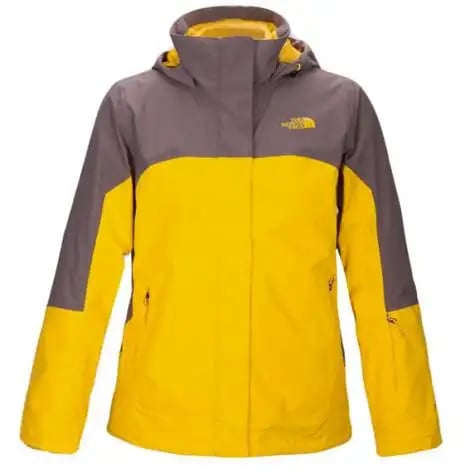
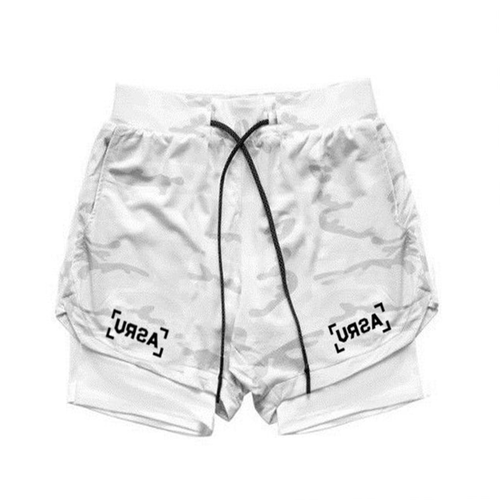
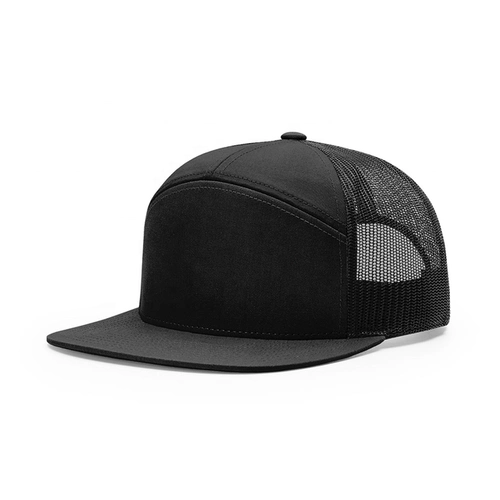
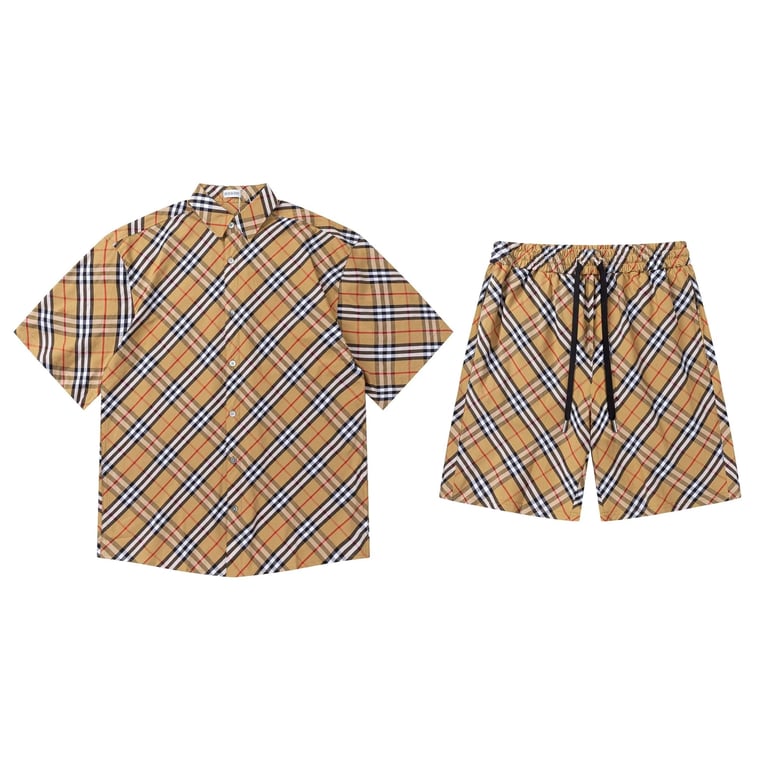
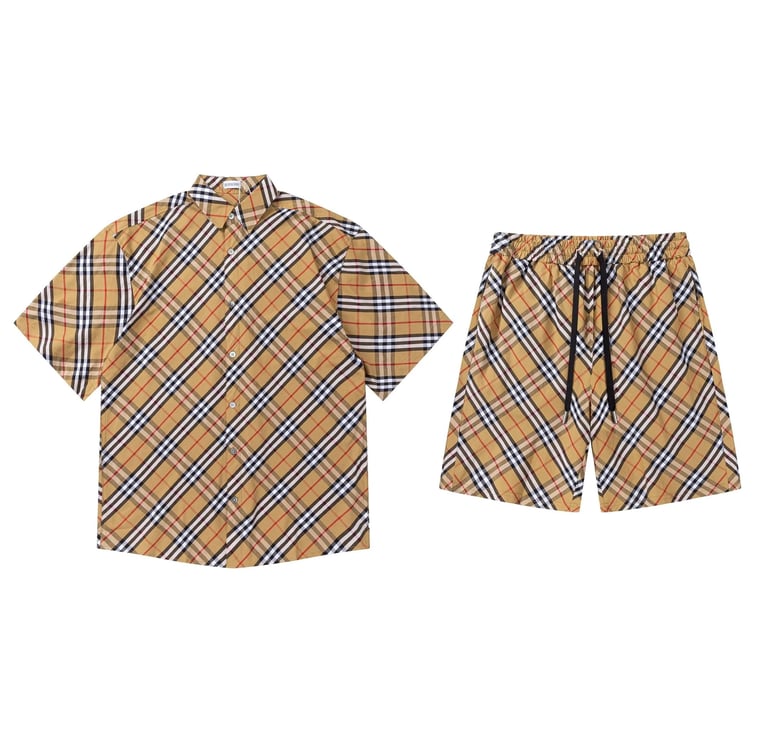
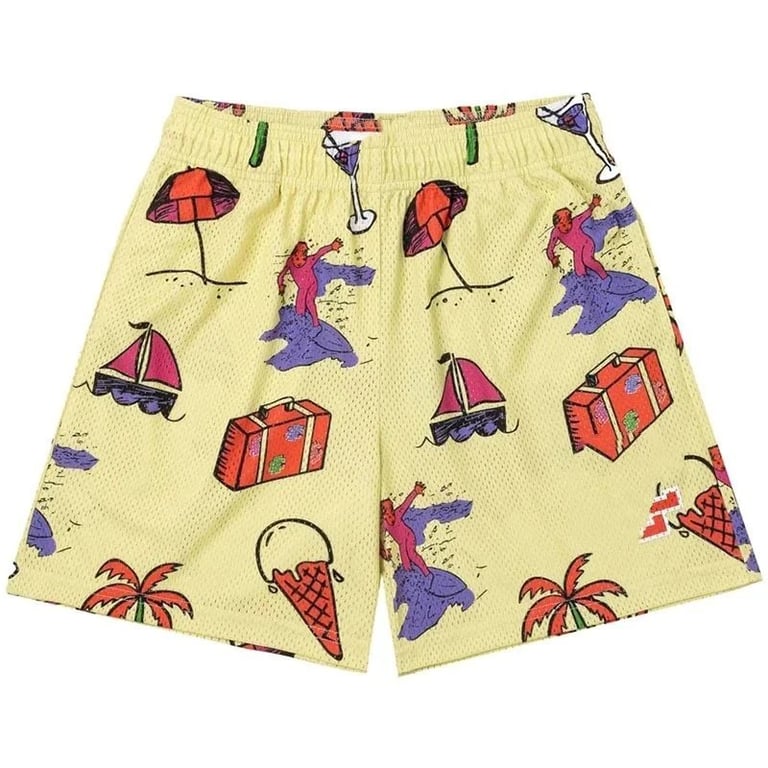
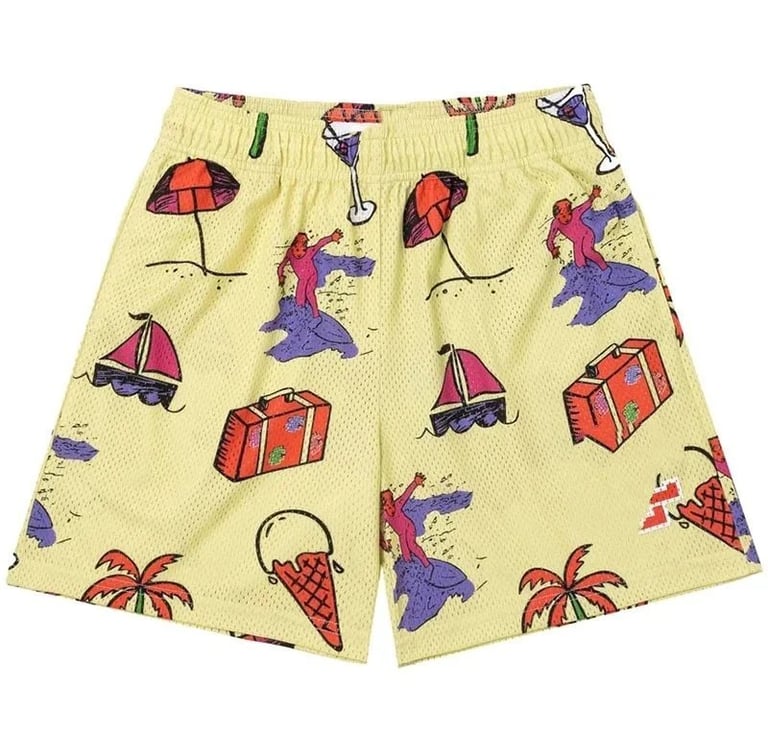
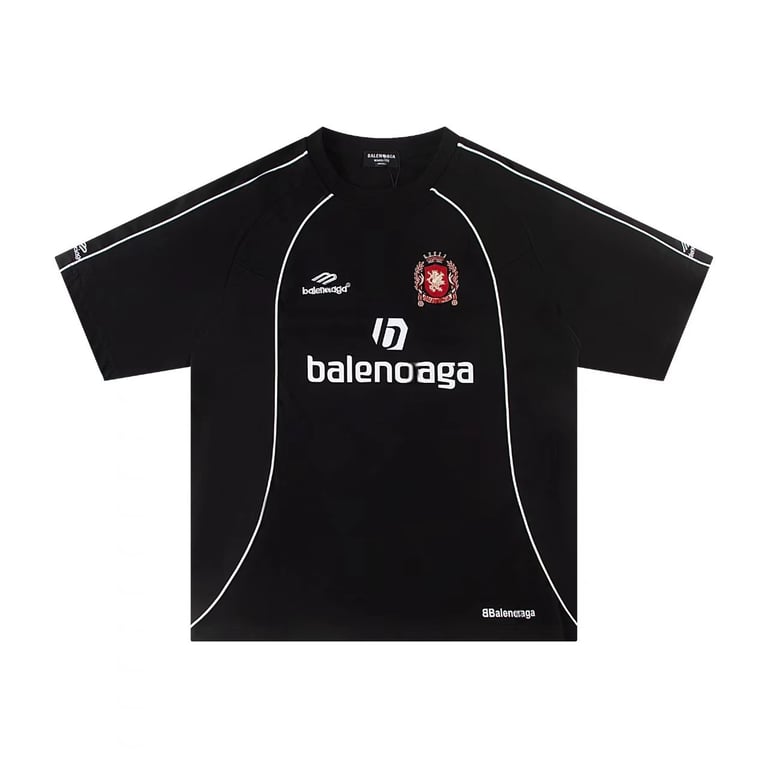
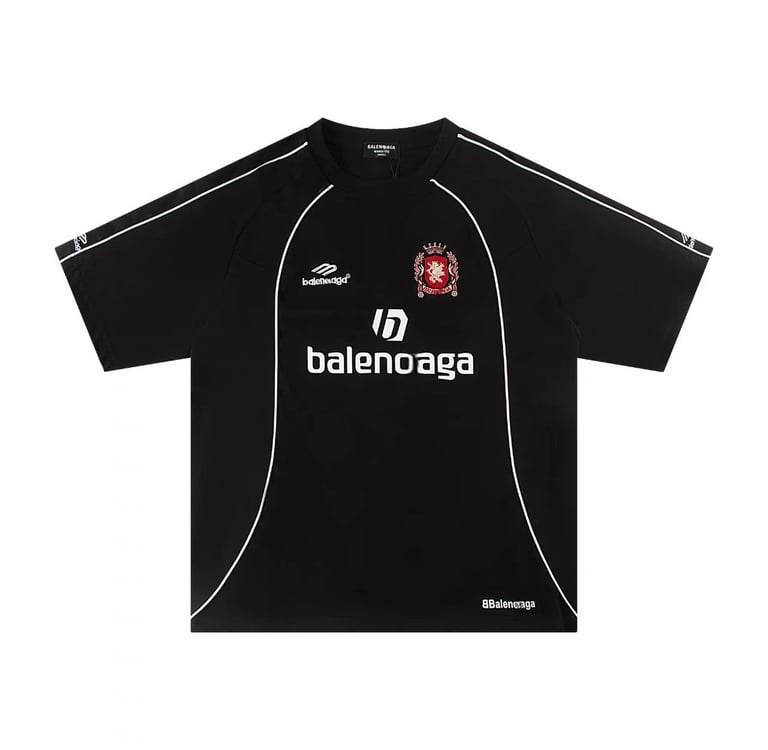



How Rizzitgo spreadsheet supports personalized product selection behavior
Personalized product selection in cross-border ecommerce is often misunderstood as recommendation-based automation. In reality, users rarely follow pure recommendations—they refine choices through comparison, repetition, and gradual preference formation. The Rizzitgo spreadsheet supports this behavior not by pushing fixed suggestions, but by structuring product environments in a way that adapts to how users naturally make decisions.
Instead of predicting what users want, it organizes products so that personal preference can emerge through interaction with structured data.
Personalization begins with behavioral pattern recognition inside Rizzitgo spreadsheet
The Rizzitgo spreadsheet observes how users interact with product clusters rather than relying on static profiles. Selection behavior is shaped by repeated exposure to similar items across different contexts.
Key behavioral signals include:
Repeated selection of similar product types across Rizzitgo spreadsheet categories
Preference drift toward specific design patterns within browsing sessions
Consistent comparison behavior across related supplier groups
These signals allow the system to understand preference formation as a process rather than a fixed attribute.
Preference is built through structured exposure, not algorithmic guessing
Traditional systems try to predict user preference based on past clicks. The Rizzitgo spreadsheet takes a different approach by structuring exposure pathways.
Instead of showing isolated recommendations, it organizes products into:
Style clusters with shared visual characteristics
Variation groups within the same design direction
Cross-supplier product sets that reflect similar intent
This ensures that users develop preferences by comparing structured alternatives rather than reacting to random suggestions.
Selection behavior is shaped through controlled comparison environments
In the Rizzitgo spreadsheet, comparison is not an afterthought—it is part of the selection structure itself. Users naturally refine preferences when they are exposed to multiple aligned options.
The system supports this by:
Grouping similar items for side-by-side evaluation
Aligning variations of the same product across suppliers
Reducing noise so differences become more visible within Rizzitgo spreadsheet clusters
This makes decision-making more precise and less dependent on external filtering.
Micro-pattern tracking improves preference stability
User preferences in fast-moving markets are often unstable because exposure is inconsistent. The Rizzitgo spreadsheet stabilizes this process by tracking micro-patterns in selection behavior.
These include:
Repeated return to specific product structures
Preference consistency across different browsing sessions
Gradual narrowing of selection within similar product groups
By identifying these micro-patterns, the system helps reinforce emerging preferences instead of resetting them.
Cross-supplier consistency strengthens personalization accuracy
One of the challenges in personalization is inconsistency between suppliers. The same product may appear differently across stores, making preference signals unclear.
The Rizzitgo spreadsheet solves this by linking equivalent items across suppliers:
Identical or similar products are grouped under unified structures
Variations are mapped within the same preference cluster
Supplier differences are normalized inside Rizzitgo spreadsheet logic
This ensures personalization is based on product identity rather than presentation differences.
Personalization emerges from navigation behavior, not static profiles
Instead of building rigid user profiles, the Rizzitgo spreadsheet interprets personalization through navigation patterns:
Which product clusters users enter repeatedly
How long they stay within certain style groups
How often they shift between similar items
These behaviors gradually shape a dynamic preference model that evolves with usage.
Connection between Rizzitgo spreadsheet and Rizzitgo links
While the Rizzitgo spreadsheet structures personalized product environments, Rizzitgo links execute those preferences in real sourcing paths.
Through this integration:
Users can directly access preferred product clusters
Personalized selections translate into supplier-level browsing
Preference patterns are reflected in actual sourcing routes
This ensures personalization is not abstract but operational.
Conclusion
The Rizzitgo spreadsheet supports personalized product selection by structuring exposure, comparison, and navigation in a way that allows preferences to form naturally through behavior rather than prediction. It focuses on how users refine decisions over time instead of trying to predefine what they want.
When combined with Rizzitgo links, this system connects evolving preference patterns with direct sourcing access, turning personalization into a dynamic, behavior-driven selection process grounded in real cross-border product environments.